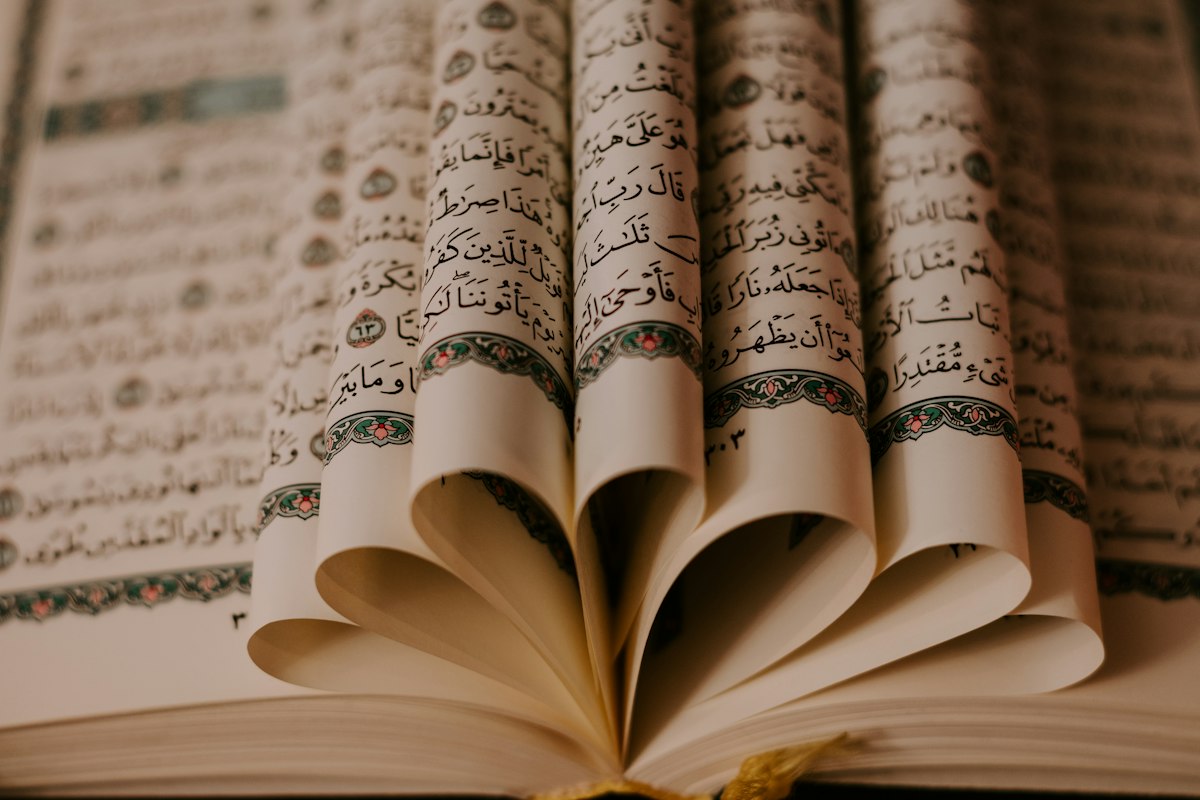
Namaz (Salah) is the most important act of worship in Islam — the direct connection between a believer and Allah. Whether you are learning for the first time, returning to prayer after a break, or a new Muslim (revert), this complete step-by-step guide will teach you exactly how to pray Namaz — from Wudu to Taslim — in simple English and Urdu.
نماز اسلام کی سب سے اہم عبادت ہے — بندے اور اللہ کے درمیان براہِ راست تعلق۔ چاہے آپ پہلی بار سیکھ رہے ہوں، وقفے کے بعد دوبارہ نماز شروع کر رہے ہوں، یا نئے مسلمان ہوں، یہ مکمل رہنمائی آپ کو وضو سے سلام تک نماز پڑھنے کا صحیح طریقہ سکھائے گی۔
Why Namaz Matters — نماز کیوں ضروری ہے؟
Allah commands in the Quran:
إِنَّ الصَّلَاةَ كَانَتْ عَلَى الْمُؤْمِنِينَ كِتَابًا مَّوْقُوتًا
"Indeed, prayer has been decreed upon the believers a decree of specified times." — Quran 4:103
بے شک نماز مومنوں پر مقررہ وقتوں میں فرض کی گئی ہے۔
The Prophet Muhammad ﷺ said:
"The first thing a person will be questioned about on the Day of Judgment is the prayer. If it is sound, the rest of his deeds will be sound." — Sunan al-Tirmidhi 413
Namaz is not just a ritual — it is peace for the heart, a break from worldly stress five times a day, and the key to Jannah. Let's learn it step by step.
نماز صرف ایک رسم نہیں — یہ دل کا سکون ہے، دن میں پانچ بار دنیاوی پریشانیوں سے وقفہ، اور جنت کی کنجی ہے۔ آئیے اسے قدم بہ قدم سیکھتے ہیں۔
Step 0: Wudu (Ablution) — وضو کا طریقہ
No prayer is accepted without Wudu. Allah says in the Quran:
يَا أَيُّهَا الَّذِينَ آمَنُوا إِذَا قُمْتُمْ إِلَى الصَّلَاةِ فَاغْسِلُوا وُجُوهَكُمْ وَأَيْدِيَكُمْ إِلَى الْمَرَافِقِ وَامْسَحُوا بِرُءُوسِكُمْ وَأَرْجُلَكُمْ إِلَى الْكَعْبَيْنِ
"O you who believe! When you rise for prayer, wash your faces and your hands up to the elbows, wipe your heads, and wash your feet up to the ankles." — Quran 5:6
"Allah does not accept prayer without purification." — Sahih Muslim 224
How to Perform Wudu — وضو کرنے کا طریقہ
- Intention (Niyyah): Make the intention in your heart that you are performing Wudu for Allah. دل میں نیت کریں کہ اللہ کے لیے وضو کر رہے ہیں۔
- Wash hands: Wash both hands up to the wrists three times. دونوں ہاتھ کلائیوں تک تین بار دھوئیں۔
- Rinse mouth: Take water into the mouth and rinse thoroughly three times. کلی تین بار کریں۔
- Clean nose: Sniff water into the nose and blow it out three times. ناک میں پانی چڑھا کر تین بار صاف کریں۔
- Wash face: Wash the entire face from forehead to chin and ear to ear, three times. پورا چہرہ پیشانی سے ٹھوڑی تک تین بار دھوئیں۔
- Wash arms: Wash the right arm up to the elbow three times, then the left arm three times. دایاں بازو کہنی تک تین بار، پھر بایاں بازو تین بار دھوئیں۔
- Wipe head (Masah): Wet your hands and wipe over the head once, from front to back. گیلے ہاتھوں سے سر کا مسح ایک بار کریں۔
- Clean ears: Wipe the inside and outside of both ears with wet fingers. دونوں کانوں کا مسح کریں۔
- Wash feet: Wash the right foot up to the ankles three times (including between toes), then the left foot. دایاں پاؤں ٹخنوں تک تین بار دھوئیں، پھر بایاں پاؤں۔
After Wudu, recite:
أَشْهَدُ أَنْ لَا إِلَٰهَ إِلَّا اللَّهُ وَحْدَهُ لَا شَرِيكَ لَهُ، وَأَشْهَدُ أَنَّ مُحَمَّدًا عَبْدُهُ وَرَسُولُهُ
"Ash-hadu an la ilaha illallah, wahdahu la sharika lah, wa ash-hadu anna Muhammadan 'abduhu wa rasuluh."
"I bear witness that none is worthy of worship but Allah, alone without partner, and I bear witness that Muhammad is His servant and Messenger."
The Prophet ﷺ said whoever recites this after Wudu, the eight gates of Paradise will be opened for him. — Sahih Muslim 234
Step 1: Niyyah (Intention) — نیت
Stand facing the Qibla (direction of the Kaaba in Makkah). Make the intention in your heart which prayer you are about to perform — for example: "I intend to pray 2 rakats of Fajr Fard for Allah." The intention is in the heart; saying it aloud is not required.
قبلہ (خانہ کعبہ کی سمت) کی طرف منہ کر کے کھڑے ہوں۔ دل میں نیت کریں کہ کون سی نماز پڑھ رہے ہیں — مثلاً: "میں اللہ کے لیے فجر کے 2 فرض پڑھنے کی نیت کرتا ہوں۔" نیت دل میں ہوتی ہے، زبان سے کہنا ضروری نہیں۔
Step 2: Takbir al-Ihram — تکبیر تحریمہ
Raise both hands to the level of your ears (or shoulders) and say:
اللَّهُ أَكْبَرُ
"Allahu Akbar" — "Allah is the Greatest."
Then fold your hands on your chest (right hand over left). From this moment, the prayer has begun — no talking, no looking around.
دونوں ہاتھ کانوں (یا کندھوں) تک اٹھا کر "اللہ اکبر" کہیں، پھر ہاتھ سینے پر باندھ لیں (دایاں ہاتھ بائیں پر)۔ اب نماز شروع ہو گئی — بات نہ کریں، ادھر ادھر نہ دیکھیں۔
Step 3: Qiyam (Standing) — قیام
While standing with folded hands, first recite Sana (the opening supplication):
سُبْحَانَكَ اللَّهُمَّ وَبِحَمْدِكَ، وَتَبَارَكَ اسْمُكَ، وَتَعَالَىٰ جَدُّكَ، وَلَا إِلَٰهَ غَيْرُكَ
"Subhanaka Allahumma wa bihamdika, wa tabarakasmuka, wa ta'ala jadduka, wa la ilaha ghayruk."
"Glory be to You, O Allah, and praise. Blessed is Your Name, exalted is Your Majesty, and there is no god but You."
Then recite Surah Al-Fatiha (obligatory in every rakat):
بِسْمِ اللَّهِ الرَّحْمَٰنِ الرَّحِيمِ ﴿١﴾ الْحَمْدُ لِلَّهِ رَبِّ الْعَالَمِينَ ﴿٢﴾ الرَّحْمَٰنِ الرَّحِيمِ ﴿٣﴾ مَالِكِ يَوْمِ الدِّينِ ﴿٤﴾ إِيَّاكَ نَعْبُدُ وَإِيَّاكَ نَسْتَعِينُ ﴿٥﴾ اهْدِنَا الصِّرَاطَ الْمُسْتَقِيمَ ﴿٦﴾ صِرَاطَ الَّذِينَ أَنْعَمْتَ عَلَيْهِمْ غَيْرِ الْمَغْضُوبِ عَلَيْهِمْ وَلَا الضَّالِّينَ ﴿٧﴾
"Bismillahir-Rahmanir-Rahim. Alhamdu lillahi Rabbil-'alamin. Ar-Rahmanir-Rahim. Maliki yawmid-din. Iyyaka na'budu wa iyyaka nasta'in. Ihdinas-siratal-mustaqim. Siratal-ladhina an'amta 'alayhim, ghayril-maghdubi 'alayhim wa lad-dallin."
"In the name of Allah, the Most Merciful, the Most Compassionate. All praise is for Allah, Lord of the worlds. The Most Merciful, the Most Compassionate. Master of the Day of Judgment. You alone we worship, and You alone we ask for help. Guide us along the Straight Path — the path of those You have blessed, not of those who earned Your anger, nor of those who went astray."
ہر رکعت میں سورۃ الفاتحہ پڑھنا فرض ہے۔
After Al-Fatiha, recite any other Surah or verses — for example, Surah Al-Ikhlas:
قُلْ هُوَ اللَّهُ أَحَدٌ ﴿١﴾ اللَّهُ الصَّمَدُ ﴿٢﴾ لَمْ يَلِدْ وَلَمْ يُولَدْ ﴿٣﴾ وَلَمْ يَكُن لَّهُ كُفُوًا أَحَدٌ ﴿٤﴾
"Qul huwallahu ahad. Allahus-samad. Lam yalid wa lam yulad. Wa lam yakun lahu kufuwan ahad."
"Say: He is Allah, the One. Allah, the Eternal Refuge. He neither begets nor is born. And there is none like unto Him."
Step 4: Ruku (Bowing) — رکوع
Say "Allahu Akbar" and bow down, placing your hands on your knees with a straight back. In Ruku, recite three times:
سُبْحَانَ رَبِّيَ الْعَظِيمِ
"Subhana Rabbiyal-'Azim" — "Glory be to my Lord, the Most Great." (3 times)
"اللہ اکبر" کہہ کر رکوع میں جھکیں — ہاتھ گھٹنوں پر، کمر سیدھی۔ رکوع میں تین بار "سبحان ربی العظیم" پڑھیں۔
Step 5: I'tidal (Standing after Ruku) — قومہ
Rise from Ruku to standing, saying:
سَمِعَ اللَّهُ لِمَنْ حَمِدَهُ
"Sami' Allahu liman hamidah" — "Allah hears the one who praises Him."
Once standing straight, say:
رَبَّنَا لَكَ الْحَمْدُ
"Rabbana lakal-hamd" — "Our Lord, to You belongs all praise."
Step 6: Sujud (Prostration) — سجدہ
Say "Allahu Akbar" and prostrate — forehead, nose, both palms, both knees, and toes touching the ground. In Sujud, recite three times:
سُبْحَانَ رَبِّيَ الْأَعْلَىٰ
"Subhana Rabbiyal-A'la" — "Glory be to my Lord, the Most High." (3 times)
The Prophet ﷺ said: "The closest a servant is to his Lord is when he is in prostration, so increase your supplications in it." — Sahih Muslim 482. Use this moment to make personal duas!
سجدے میں بندہ اپنے رب کے سب سے قریب ہوتا ہے — اس موقع پر دل سے دعائیں مانگیں!
Step 7: Jalsah (Sitting between Sujuds) — جلسہ
Say "Allahu Akbar" and sit up briefly, then recite:
رَبِّ اغْفِرْ لِي
"Rabbighfir li" — "My Lord, forgive me."
Then say "Allahu Akbar" and perform the second Sujud exactly like the first. This completes one Rakat.
Step 8: Second Rakat — دوسری رکعت
Say "Allahu Akbar" and stand up for the second rakat. Repeat: Al-Fatiha + another Surah, Ruku, I'tidal, two Sujuds. After the second Sujud of the second rakat, sit down for Tashahhud instead of standing.
Step 9: Tashahhud — تشہد
While sitting, recite:
التَّحِيَّاتُ لِلَّهِ وَالصَّلَوَاتُ وَالطَّيِّبَاتُ، السَّلَامُ عَلَيْكَ أَيُّهَا النَّبِيُّ وَرَحْمَةُ اللَّهِ وَبَرَكَاتُهُ، السَّلَامُ عَلَيْنَا وَعَلَىٰ عِبَادِ اللَّهِ الصَّالِحِينَ، أَشْهَدُ أَنْ لَا إِلَٰهَ إِلَّا اللَّهُ، وَأَشْهَدُ أَنَّ مُحَمَّدًا عَبْدُهُ وَرَسُولُهُ
"At-tahiyyatu lillahi was-salawatu wat-tayyibat. As-salamu 'alayka ayyuhan-nabiyyu wa rahmatullahi wa barakatuh. As-salamu 'alayna wa 'ala 'ibadillahis-salihin. Ash-hadu an la ilaha illallah, wa ash-hadu anna Muhammadan 'abduhu wa rasuluh."
"All greetings, prayers, and good things are for Allah. Peace be upon you, O Prophet, and the mercy of Allah and His blessings. Peace be upon us and upon the righteous servants of Allah. I bear witness that none is worthy of worship but Allah, and I bear witness that Muhammad is His servant and Messenger."
If the prayer has more than 2 rakats, stand up after Tashahhud for the remaining rakats (reciting only Al-Fatiha in the 3rd and 4th rakats). In the final rakat, after Tashahhud, recite Durood Ibrahim:
اللَّهُمَّ صَلِّ عَلَىٰ مُحَمَّدٍ وَعَلَىٰ آلِ مُحَمَّدٍ، كَمَا صَلَّيْتَ عَلَىٰ إِبْرَاهِيمَ وَعَلَىٰ آلِ إِبْرَاهِيمَ، إِنَّكَ حَمِيدٌ مَجِيدٌ. اللَّهُمَّ بَارِكْ عَلَىٰ مُحَمَّدٍ وَعَلَىٰ آلِ مُحَمَّدٍ، كَمَا بَارَكْتَ عَلَىٰ إِبْرَاهِيمَ وَعَلَىٰ آلِ إِبْرَاهِيمَ، إِنَّكَ حَمِيدٌ مَجِيدٌ
"Allahumma salli 'ala Muhammadin wa 'ala ali Muhammad, kama sallayta 'ala Ibrahima wa 'ala ali Ibrahim, innaka Hamidun Majid. Allahumma barik 'ala Muhammadin wa 'ala ali Muhammad, kama barakta 'ala Ibrahima wa 'ala ali Ibrahim, innaka Hamidun Majid."
"O Allah, send blessings upon Muhammad and upon the family of Muhammad, as You sent blessings upon Ibrahim and the family of Ibrahim. Verily, You are Praiseworthy, Glorious. O Allah, bless Muhammad and the family of Muhammad, as You blessed Ibrahim and the family of Ibrahim. Verily, You are Praiseworthy, Glorious."
You may then make any personal dua before ending the prayer.
Step 10: Taslim (Ending the Prayer) — سلام
Turn your face to the right and say:
السَّلَامُ عَلَيْكُمْ وَرَحْمَةُ اللَّهِ
"As-salamu 'alaykum wa rahmatullah" — "Peace and the mercy of Allah be upon you."
Then turn your face to the left and repeat the same. Your prayer is complete! 🎉
دائیں طرف منہ پھیر کر "السلام علیکم ورحمۃ اللہ" کہیں، پھر بائیں طرف بھی یہی کہیں۔ آپ کی نماز مکمل ہو گئی! 🎉
Number of Rakats for Each Prayer — ہر نماز کی رکعتیں
| Prayer (نماز) | Sunnah Before | Fard (فرض) | Sunnah After | Total |
|---|---|---|---|---|
| Fajr (فجر) | 2 | 2 | — | 4 |
| Dhuhr (ظہر) | 4 | 4 | 2 | 10 |
| Asr (عصر) | 4 | 4 | — | 8 |
| Maghrib (مغرب) | — | 3 | 2 | 5 |
| Isha (عشاء) | 4 | 4 | 2 + 3 Witr | 13 |
Note for beginners: If you are just starting, focus on the Fard (obligatory) rakats first. Add the Sunnah rakats gradually as you become comfortable.
نئے نمازیوں کے لیے مشورہ: شروع میں صرف فرض رکعتوں پر توجہ دیں۔ عادت پختہ ہونے پر سنت رکعتیں بھی شامل کر لیں۔
Common Mistakes to Avoid — عام غلطیاں
- Rushing through prayer: The Prophet ﷺ corrected a man who prayed hastily, telling him to pray calmly "for you have not prayed." — Sahih al-Bukhari 757. جلدی جلدی نماز نہ پڑھیں — اطمینان سے پڑھیں۔
- Not performing Wudu properly: Washing quickly and missing spots (like heels) invalidates Wudu. وضو جلدی میں ادھورا نہ چھوڑیں۔
- Incorrect Ruku/Sujud posture: Keep the back straight in Ruku; in Sujud, all seven bones (forehead+nose, 2 hands, 2 knees, 2 feet) must touch the ground. رکوع میں کمر سیدھی رکھیں؛ سجدے میں ساتوں ہڈیاں زمین پر ہوں۔
- Looking around during prayer: Keep your gaze at the place of prostration. نظر سجدے کی جگہ پر رکھیں۔
- Skipping Al-Fatiha: "There is no prayer for the one who does not recite the Opening of the Book (Al-Fatiha)." — Sahih al-Bukhari 756
- Praying in impure clothes or place: Ensure your clothes, body, and prayer area are clean. کپڑے، بدن اور نماز کی جگہ پاک ہو۔
Tips for Beginners & New Muslims — نئے نمازیوں کے لیے نصیحتیں
- Start small: Begin with the Fard prayers. Quality over quantity.
- Learn gradually: Memorize one dua at a time — start with Al-Fatiha.
- Use translations: Understanding what you recite transforms your prayer.
- Be consistent: Even if imperfect, never skip — "The most beloved deeds to Allah are the most consistent, even if small." — Sahih al-Bukhari 6464
- Ask for help: Learn from a knowledgeable person or visit your local mosque.
یاد رکھیں: نامکمل نماز چھوڑنے سے بہتر ہے۔ آہستہ آہستہ سیکھیں، مستقل مزاجی رکھیں، اور اللہ سے مدد مانگیں۔
Conclusion — خلاصہ
Namaz is a gift from Allah — five daily meetings with your Creator. The Prophet ﷺ said: "Pray as you have seen me praying." — Sahih al-Bukhari 631. Now you know exactly how.
Don't worry about being perfect on day one. Every expert was once a beginner. Start today, stay consistent, and watch your heart find peace.
نماز اللہ کا تحفہ ہے — اپنے خالق سے دن میں پانچ ملاقاتیں۔ آج ہی شروع کریں، مستقل رہیں، اور دل کا سکون پائیں۔
📺 Watch & Learn More on Pure Soul
Want to learn Quran recitation, daily duas, and beautiful Islamic reminders? Subscribe to our YouTube channel — Pure Soul for daily Shorts, Quran recitations with Urdu translation, and Hadith reminders:
👉 Subscribe to Pure Soul on YouTube 🤲
New Islamic videos every day at 9 PM (PKT). Join 2,000+ believers growing in faith together!
Was this guide helpful? Share it with someone learning to pray — you will share in the reward. The Prophet ﷺ said: "Whoever guides to something good will have a reward like the one who does it." — Sahih Muslim 1893
Frequently Asked Questions
Is Wudu required before Namaz?
Yes, no prayer is accepted without Wudu. The Prophet ﷺ said, "Allah does not accept prayer without purification" (Sahih Muslim 224).
What are the main steps of Namaz?
Namaz begins with Niyyah (intention in the heart) facing the Qibla, followed by Takbir al-Ihram ("Allahu Akbar"), standing and reciting Al-Fatiha, bowing (Ruku), prostrating (Sujud), sitting for Tashahhud, and ending with Taslim (turning the face right and left while saying "As-salamu 'alaykum wa rahmatullah").
Is reciting Surah Al-Fatiha compulsory in Namaz?
Yes, reciting Surah Al-Fatiha is obligatory in every rakat. The Prophet ﷺ said, "There is no prayer for the one who does not recite the Opening of the Book" (Sahih al-Bukhari 756).
How many rakats are in each of the five daily prayers?
Fajr has 4 rakats (2 Sunnah + 2 Fard), Dhuhr 12 (4 + 4 + 2), Asr 8 (4 + 4), Maghrib 5 (3 Fard + 2 Sunnah), and Isha 17 (4 + 4 + 2 + 3 Witr). Beginners are advised to focus on the Fard rakats first.
What should you say in Sujud?
In Sujud, say "Subhana Rabbiyal-A'la" (Glory be to my Lord, the Most High) three times. The Prophet ﷺ said a servant is closest to his Lord in prostration, so it is the best moment for personal duas (Sahih Muslim 482).

Comments
No comments:
Post a Comment